























What Is ChatPic and Why Is Everyone Talking About It?

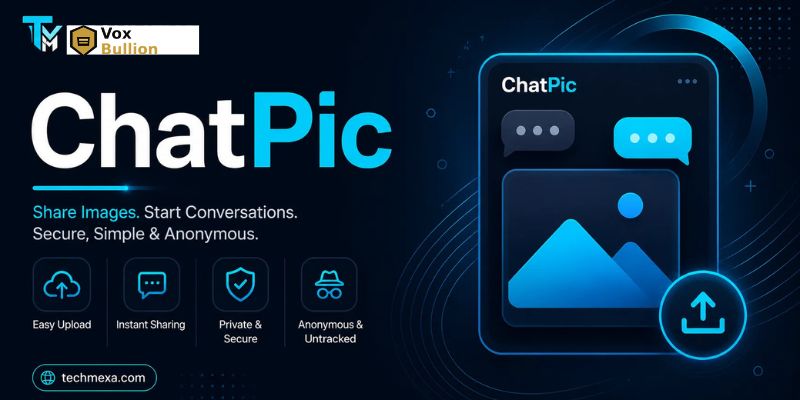
When I first came across chatpic, I immediately felt that it was more than just another digital chat idea. In a world where people are tired of plain text messages and misunderstandings, ChatPic brings something fresh by adding visual meaning to conversations. Instead of only typing what I want to say, I can support my message with an AI-generated image that makes the idea clearer, more expressive, and easier to understand.
I believe this kind of visual communication is becoming more important because online conversations often miss emotions, tone, and real-life expressions. Sometimes, words alone are not enough to explain a feeling, a product idea, a learning concept, or even a simple situation. That is where a tool like ChatPic can make communication feel more natural, engaging, and useful.
In this article, I will explain what ChatPic is, how it works, why it matters, and how it can be used in daily life, business, education, and creative communication. I will also cover its benefits, limitations, safety concerns, and future possibilities so you can understand whether ChatPic is just a trend or a powerful step forward in digital communication.
How ChatPic Works in Simple Words
ChatPic works by taking a written description and turning it into an image that matches the meaning of the message. A user may type something like, “a calm evening by the sea,” or “a modern office team planning a product launch,” and the system creates a visual based on that prompt. Behind the scenes, ChatPic uses artificial intelligence, image generation, and natural language understanding.
The AI reads the words, studies the context, and tries to understand what the user actually wants to show. Then it creates an image that can be shared inside the conversation. The process feels almost magical, but it is really a combination of smart language models and visual generation technology working together. The better the prompt, the better the picture.
Why ChatPic Matters for Modern Communication
Text is useful, but it has limits. Anyone who has ever sent a message and then thought, “Wait, that sounded rude,” knows the problem. Words do not always carry tone, emotion, or full context. ChatPic helps reduce that gap by giving people a visual way to support what they mean.
For example, a teacher explaining a science concept can use an image instead of writing five heavy paragraphs. A small business owner can show a product idea during a customer chat.
A friend can express a mood without sending ten confusing emojis. ChatPic matters because people understand visuals quickly. It saves time, improves clarity, and makes online communication feel less flat. Sometimes, one image really can rescue a conversation from becoming a misunderstanding festival.
Key Features That Make ChatPic Useful
The most useful feature of ChatPic is its ability to generate images directly from text. That means users do not need design skills, editing software, or hours of creative struggle. They simply describe what they need. ChatPic can be useful for personal chats, business messages, education, marketing, customer support, and creative brainstorming. It can help explain complicated ideas, create visual examples, support brand storytelling, and make conversations more engaging.
Another strong point is accessibility. Some people understand better through images than long written explanations. ChatPic supports those users by making information easier to process. It also gives people more creative freedom. Instead of searching online for the perfect image, users can create something closer to the exact idea in their mind.
ChatPic for Personal Use and Daily Conversations
ChatPic can make normal conversations more expressive. Think about a friend trying to explain how their Monday feels. They could type, “I am tired,” or they could create a funny image of a sleepy cat sitting beside a giant coffee cup. Which one feels more memorable? Exactly. ChatPic gives casual chats more personality without forcing users to write long emotional essays.
It can help people show moods, reactions, travel dreams, jokes, celebrations, or even random creative thoughts. For families and friends, it adds a playful layer to communication. It is not meant to replace words. It adds flavor to them. Like salt in food, too much can be annoying, but the right amount makes the whole conversation better.
ChatPic for Business, Marketing, and Customer Support
Businesses can use ChatPic in practical ways, especially when they need to explain something quickly. A customer support agent could use a simple visual to show where a button is, how a setup works, or what a product issue looks like.
That can reduce confusion and save time for both sides. Marketing teams can also use ChatPic to brainstorm campaign ideas, product visuals, social media concepts, and brand storytelling examples. Small businesses may find it especially helpful because they often need quick creative content without a large design team.
Imagine a bakery owner describing a new cake design in chat and instantly getting a visual reference. That is not just fun. That is faster communication, better planning, and fewer “that is not what I meant” moments.
ChatPic in Education and Online Learning
ChatPic can be a strong tool for education because visuals help many students understand and remember information. A teacher explaining the water cycle, ancient history, human anatomy, or a math concept can use AI-generated images to make the lesson less intimidating. Students often lose interest when information arrives as a wall of text. Give them a relevant image, and attention returns.
ChatPic can also help visual learners, younger students, and people who struggle with abstract explanations. It makes learning feel more interactive. Of course, teachers should still check accuracy, because AI images can make mistakes. A dinosaur with five legs may be funny, but it is not exactly classroom gold. Used carefully, ChatPic can turn dull lessons into clearer learning moments.
A Quick ChatPic Case Example
A small online furniture seller once had a simple problem. Customers kept asking how a certain wooden desk would look in a small bedroom. The seller had product photos, but not enough room-style examples. Instead of sending plain measurements again and again, the seller used a ChatPic-style visual approach to create sample room ideas based on customer descriptions.
One customer asked for “a compact study corner with a wooden desk, warm lighting, and shelves.” The generated visual helped the customer imagine the setup better. The sale became easier because the buyer could see the idea, not just read about it. That is the real strength of ChatPic. It helps people move from imagination to understanding much faster.
Benefits of Using ChatPic
ChatPic offers several benefits, but the biggest one is clarity. It helps people explain ideas without turning every message into a mini novel. Visuals also increase engagement because people naturally pause when they see an image.
In business, that can mean better customer response. In education, it can mean better learning. In personal chats, it can mean more fun and emotional expression. ChatPic also supports creativity. Users can test ideas, explore styles, and communicate concepts that may be difficult to describe with words alone.
It can improve memory too, because people often remember visual information better than plain text. The result is communication that feels faster, richer, and more complete. Not perfect, but definitely more interesting than endless grey chat bubbles.
Limitations and Safety Concerns of ChatPic
ChatPic is useful, but it is not flawless. AI-generated images may not always match the user’s intention. A vague prompt can lead to a strange or inaccurate result. Privacy is another concern.
Users should avoid sharing sensitive personal details, private business data, or confidential information while generating images. There are also ethical issues. Fake visuals, misleading images, or manipulated content can create confusion if people use them irresponsibly.
ChatPic should support communication, not replace judgment. Users should also check whether the platform they use has clear data policies and safety controls. The smartest approach is simple: enjoy the creative power, but do not treat every generated image as truth. AI is clever, but it still needs human common sense.
The Future of ChatPic and Visual AI Communication
The future of ChatPic looks promising because online communication is moving toward richer, multimodal experiences. People no longer want only text. They want images, voice, video, stickers, reactions, and smart tools that make conversations smoother.
ChatPic may become part of messaging apps, learning platforms, business software, and customer support systems. As AI improves, images may become more accurate, more personalized, and faster to create. Users may also get better control over style, mood, layout, and brand consistency.
The real opportunity is not just image generation. It is better understanding. ChatPic could help teams explain ideas, teachers simplify lessons, and everyday users express emotions with more color. Digital communication is becoming visual, and ChatPic fits naturally into that shift.
How to Use ChatPic Effectively
To get better results from ChatPic, users should write clear prompts. A weak prompt like “make a picture” will probably create something basic. A better prompt gives context, style, mood, setting, and purpose. For example, “a friendly customer support agent explaining a mobile app feature on a clean blue screen” gives the AI more direction.
Users should also review images before sharing them, especially in professional or educational settings. If the image looks confusing, adjust the prompt and try again. ChatPic works best when users treat it like a creative assistant, not a mind reader. The more specific the input, the more useful the output. Good prompts are like good coffee orders. Details matter.
Is ChatPic Worth Using?
ChatPic is worth exploring for anyone who wants clearer and more engaging communication. It is helpful for personal chats, online learning, customer support, marketing, brainstorming, and creative expression.
It does not replace writing, design, or human thinking, but it improves the way people share ideas. The best part is that ChatPic makes visual communication easier for people who are not designers. That opens the door for students, business owners, teachers, creators, and everyday users.
Still, it should be used responsibly. Accuracy, privacy, and ethics matter. When used with care, ChatPic can make conversations more understandable, more expressive, and frankly, a lot less boring. Text will always matter, but visuals can make the message land faster.
Conclusion
ChatPic is more than a trendy AI idea. It is a practical step toward clearer digital communication. By combining text with AI-generated visuals, ChatPic helps users explain thoughts, emotions, products, lessons, and creative ideas in a more engaging way. Its value comes from simplicity. A person types an idea, and the system helps turn that idea into something visible.
That can save time, reduce confusion, and make conversations feel more natural. Businesses can use it for support and marketing. Teachers can use it for learning. Regular users can use it for fun and expression. Like every AI tool, ChatPic has limits, but its potential is strong. Used wisely, it can make online communication smarter, warmer, and much easier to understand.
Also Read About: Sosoactive: A Complete Guide to a More Real Social Experience Online
FAQs About ChatPic
What is ChatPic?
ChatPic is an AI-powered communication concept or tool that allows users to create and share images inside chat conversations. Instead of relying only on typed messages, users can describe an idea, object, scene, or emotion, and ChatPic helps generate a matching visual. It makes conversations clearer, more expressive, and more engaging.
How does ChatPic work?
ChatPic works by reading a user’s written prompt and using artificial intelligence to create an image based on that description. It combines natural language processing with AI image generation. The system studies the words, understands the context, and then produces a visual that fits the message as closely as possible.
Can ChatPic be used for business?
Yes, ChatPic can be useful for business communication, especially in customer support, marketing, product explanation, and team collaboration. A business can use ChatPic to create quick visual examples, explain processes, present ideas, or make customer conversations easier to understand. It can save time and improve message clarity.
Is ChatPic helpful for students and teachers?
ChatPic can be very helpful in education because it turns written ideas into visual examples. Teachers can use it to explain difficult topics, while students can use it to understand lessons more easily. It is especially useful for visual learners who remember images better than long blocks of text.
Is ChatPic safe to use?
ChatPic can be safe when used responsibly. Users should avoid entering private, sensitive, or confidential information into any AI tool unless they fully trust the platform’s privacy policy. It is also important not to use AI-generated images to mislead people. ChatPic should support honest communication, not create confusion.
Check More here: voxbullion.com