
























Calamariere: Mediterranean Squid Dish, Origins & Techniques

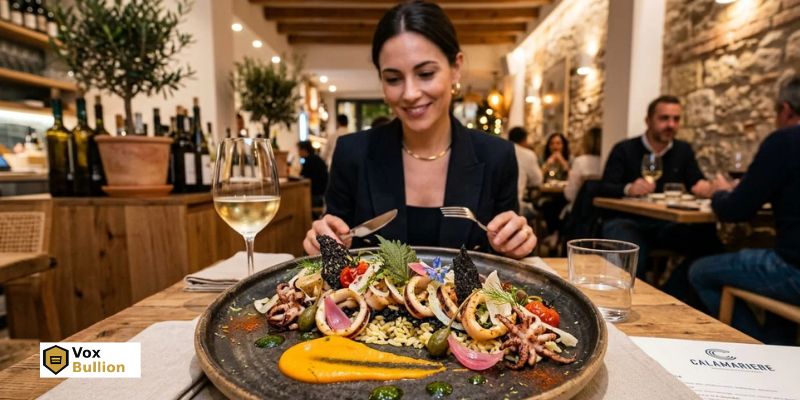
When I first heard about calamariere, I was intrigued by how it captures the essence of Mediterranean squid cookery while embracing modern culinary expression. It isn’t just a recipe. it’s a technique, a philosophy, and a celebration of fresh, flavorful seafood. As someone who loves exploring regional cuisine, the idea of a dish that prioritizes texture, seasoning, and technique immediately caught my attention.
What fascinated me most was the delicate balance involved in preparing Calamariere. Squid, by nature, can be tricky, cook it too long, and it turns rubbery; too short, and it can be bland. Watching chefs master this dish, respecting its subtle flavors while elevating it with contemporary flair, made me appreciate how tradition and innovation can coexist beautifully.
Over time, following Calamariere’s evolution in Mediterranean kitchens and modern gastronomy, I realized it symbolizes more than just food, it represents a culinary mindset. It’s about honoring ingredients, mastering technique, and presenting a dish that tells a story of both heritage and creativity. Experiencing it firsthand changed how I think about seafood preparation forever.
What is Calamariere? Definition and Concept
Calamariere is not just another squid dish; it embodies a cooking philosophy that balances freshness, texture, and flavor. Rooted linguistically in “calamari,” it refers to techniques that respect the delicate bite of squid while allowing seasoning to shine. In essence, it’s about creating harmony between seafood and culinary skill.
Unlike ordinary calamari recipes, Calamariere emphasizes restraint. It encourages cooks to avoid overpowering flavors and focus on enhancing natural taste. This approach ensures that each bite maintains tenderness and subtlety, reflecting the Mediterranean tradition of celebrating ingredients rather than masking them.
The concept is flexible, bridging traditional preparation with modern gastronomy. Chefs globally adapt Calamariere principles to contemporary kitchens, blending heritage techniques with creative flair. It’s a dish, a mindset, and a demonstration of culinary respect.
Historical and Mediterranean Origins
Calamariere originates from the rich culinary heritage of the Mediterranean, where seafood has always been prized. Coastal regions have relied on squid for centuries, valuing its adaptability and delicate flavor. Traditional kitchens developed methods to enhance its natural taste, giving rise to dishes that honor freshness and texture.
The term itself reflects regional language and culture, capturing the essence of Mediterranean seafood cookery. Squid preparation was central to family meals, celebrations, and coastal gastronomy, creating a legacy of technique passed down through generations. Calamariere embodies these principles in both flavor and method.
Its Mediterranean roots highlight a cultural philosophy: simplicity, balance, and respect for ingredients. By connecting contemporary gastronomy with centuries-old techniques, Calamariere ensures squid remains celebrated for its culinary versatility and heritage significance.
Key Ingredients and Flavor Profiles
The beauty of Calamariere lies in its minimalism and attention to quality ingredients. Fresh squid is the star, often accompanied by olive oil, lemon, herbs like parsley or oregano, and subtle spices. This combination enhances the natural taste without overwhelming it.
Seafood aficionados appreciate how Calamariere balances simplicity with depth. A gentle marinade, proper slicing, and precise cooking allow the squid to absorb flavor while preserving texture. Seasonal herbs and regional oils add nuance, creating a dish that feels both traditional and refined.
Ingredient selection is crucial. High-quality squid, locally sourced olive oil, and fresh herbs ensure authenticity. By focusing on freshness and complementary flavors, Calamariere exemplifies Mediterranean culinary values: restraint, balance, and reverence for natural taste.
Culinary Techniques and Preparation
Preparing Calamariere requires skill, patience, and respect for the squid’s delicate nature. Slicing uniformly ensures even cooking, while quick searing or gentle poaching preserves tenderness. Overcooking is a common pitfall, as squid turns rubbery, underscoring the importance of timing and technique.
Seasoning is subtle, emphasizing natural flavors rather than overpowering them. Olive oil, citrus, and fresh herbs are applied with precision, enhancing rather than masking taste. The dish encourages cooks to refine touch and sensitivity, turning preparation into an art form.
Chefs often share a personal tip: cook squid in batches for consistent results. This approach highlights the principle behind Calamariere, technique and attention transform simple ingredients into a dish worthy of Mediterranean tables.
Modern Adaptations and Global Influence
While rooted in tradition, Calamariere has inspired contemporary chefs worldwide. Modern adaptations may include creative plating, fusion flavors, or innovative cooking methods such as sous-vide. These variations retain the original philosophy of tenderness and flavor balance while appealing to international palates.
Restaurants now serve Calamariere as a centerpiece in fine dining, celebrating seafood heritage with modern flair. Ingredients like microgreens, exotic spices, or infused oils elevate presentation, turning each dish into an aesthetic experience alongside its flavor.
Global interest reflects a growing appreciation for regional authenticity. Calamariere demonstrates how traditional techniques can evolve while respecting core principles, bridging Mediterranean culinary heritage with contemporary gastronomy.
Serving Suggestions and Pairings
Calamariere pairs beautifully with light accompaniments that complement its delicate flavor. Simple sides such as seasonal vegetables, a drizzle of high-quality olive oil, or a crisp salad enhance the dish without overpowering it. White wine or citrus-infused beverages often highlight its freshness.
Presentation matters. A minimalist approach with a focus on color and texture showcases the squid’s tender flesh and subtle seasoning. Small garnishes, like parsley or lemon zest, add vibrancy and aroma, emphasizing attention to detail.
For home cooks, serving Calamariere with freshly baked bread or paired with Mediterranean staples like olives and tomatoes captures the essence of regional dining. It’s a dish that balances elegance with simplicity, honoring heritage and flavor.
Cultural and Gastronomic Significance
Calamariere embodies Mediterranean culinary philosophy: respect for ingredients, balance, and refined technique. It demonstrates how a single ingredient can become a vessel for cultural storytelling, connecting food with history, place, and identity.
Beyond flavor, Calamariere is a symbol of gastronomic mindfulness. It encourages cooks to engage deeply with technique, timing, and ingredient quality. Its preparation becomes a meditation on balance and refinement.
Culturally, it remains a celebrated dish in coastal communities, featured in family meals, festivals, and fine dining. By preserving heritage while embracing contemporary culinary trends, Calamariere reinforces the Mediterranean commitment to honoring food and tradition.
Tips for Cooking Calamariere at Home
To replicate Calamariere successfully, begin with fresh, high-quality squid. Slice consistently and avoid overcooking, quick searing or gentle poaching works best. Light seasoning with olive oil, lemon, and herbs ensures natural flavors shine.
Observe timing carefully. Squid cooks rapidly, so attention is key. Use small batches to maintain control and texture. Pair with simple sides that complement rather than overpower flavor.
Experimentation is welcome, but restraint is essential. Respecting the original philosophy, texture, freshness, and balance, ensures a dish that embodies Calamariere principles. Over time, cooks develop intuition, producing a dish that is both authentic and personalized.
Also Read About: Candizi: Modern Wellness Candy for Health & Indulgence
FAQs About Calamariere
What does Calamariere mean?
Calamariere refers to a Mediterranean squid dish and culinary approach that emphasizes texture, freshness, and flavor balance.
How is Calamariere different from ordinary calamari?
Unlike regular calamari recipes, it focuses on technique, restraint, and preserving delicate squid flavor rather than heavy breading or frying.
What are the main ingredients?
Fresh squid, olive oil, lemon, herbs like parsley or oregano, and subtle spices form the traditional base.
Can I cook Calamariere at home?
Yes, with fresh squid and attention to timing, seasoning, and slicing, home cooks can replicate its tender texture and balanced flavor.
Is Calamariere considered a modern or traditional dish?
It blends tradition and modernity, rooted in Mediterranean heritage but adapted for contemporary culinary presentation and international cuisine.
Check More here: voxbullion.com